Straight pins are among the simplest and most useful tools for sewing, tailoring, crafts, and household use. These tiny metal tools are small but important to keep fabrics, patterns, and materials just right. Straight pins are a must-have in any sewing kit, whether you are a fashion designer or a beginner sewing enthusiast.
You will learn about straight pins in this article, including their types, common uses, composition, and how to choose the best ones for your projects.
What is a paper pin?
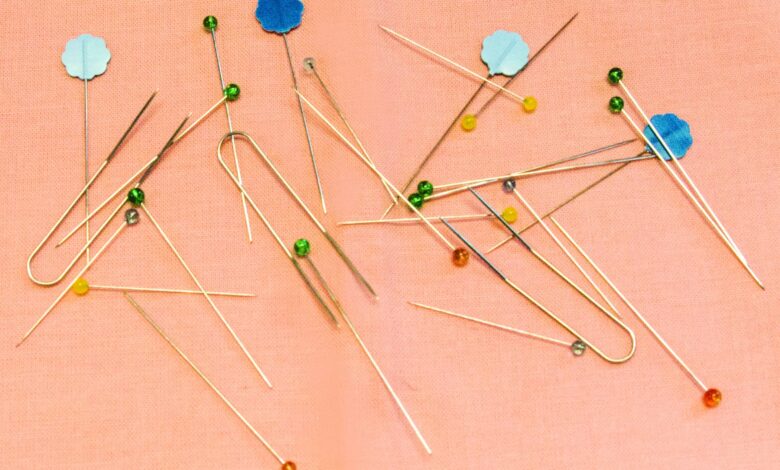
Straight pins are composed of thin metal and have a pointed tip. Straight pins can be used to temporarily hold pieces of fabric or other materials together. They have a small head on one side that makes it simple for users to grasp and remove the pin and a pointy end that readily passes through fabric.
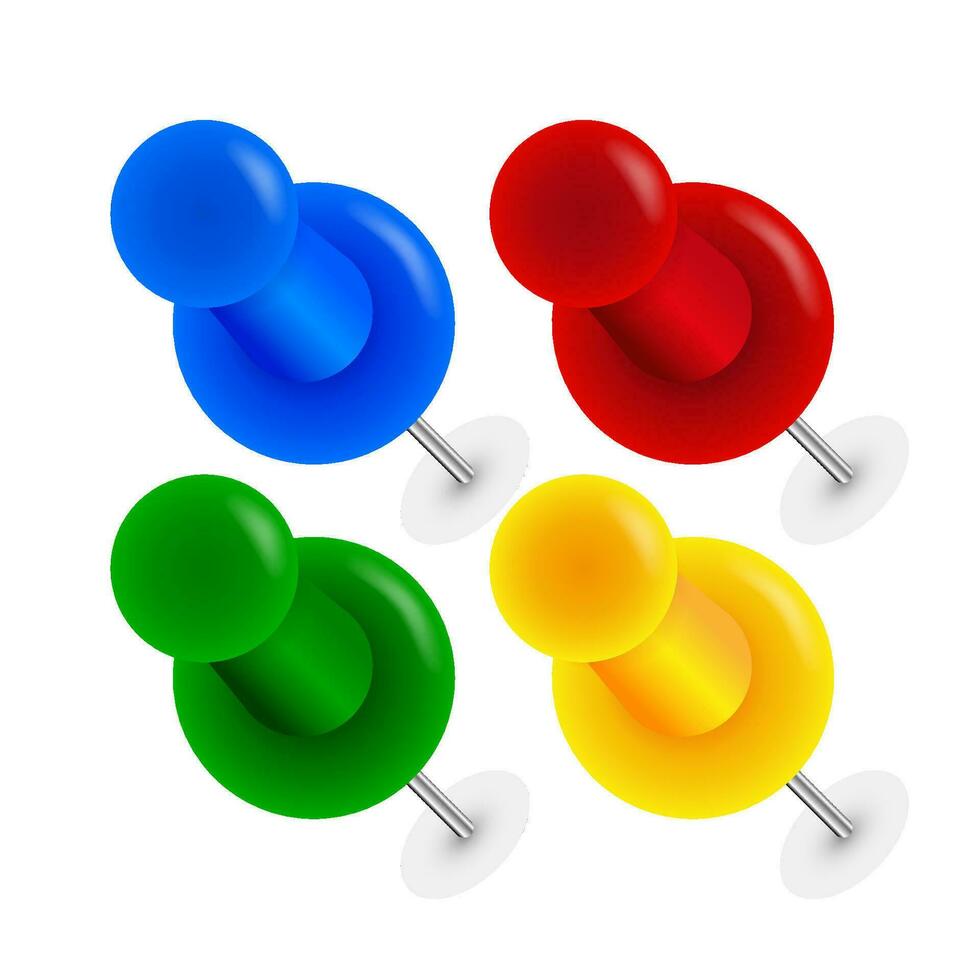
The majority of straight pins come in a range of lengths, thicknesses, and head types and are composed of steel or stainless steel. The simple design makes them ideal for sewing, quilting, embroidery, crafts, and fabric preparation.
Straight Pins and Their Importance in Sewing
Accuracy is key in sewing projects. The slightest movement of the fabric pieces can change the outcome. Straight pins are good for holding layers of fabric together before you sew them, so you get neater seams and more professional results.
How to join fabric pieces before sewing
- Sewing pattern pinning
- Correctly hemming the hems.
- Interlocking quilt layers
- Hold fabric in place when cutting.
- Straight pins are essential to sewing; without them, sewing would be slower and more difficult.
STRAIGHT PIN DESIGNS
For a range of materials and uses, straight pins are available in multiple styles. The right one can safeguard your linens and aid with accuracy.
1. Conventional Sewing Pins
PERMANENT NEEDLES are the most popular type for routine sewing. Suitable for cotton, linen, polyester, and other medium-weight fabrics.
These are usually sharp with a small, round head and are good for most sewing jobs.
2. Quilling Needles
Quilting pins are a bit longer and a bit stronger than regular sewing pins. They are designed to go through several layers of fabric, batting, and quilt material.
The longer length makes them perfect for:
- Quilts, patchwork
- Projects in layered fabric
- Heavy-Duty Sewing Machine.
3. Pins of silk
Silk pins are very fine and light. They are ideal for delicate fabrics like silk, satin, chiffon, and lace.
Because they are lighter than regular pins, they are less likely to damage delicate materials or leave visible holes.
4. Glass-Headed Pins
Glass head pins are very similar to plastic head pins, except they have a small glass ball at the top instead of plastic. Professional sewers like glass heads because they won’t melt under the iron’s heat.
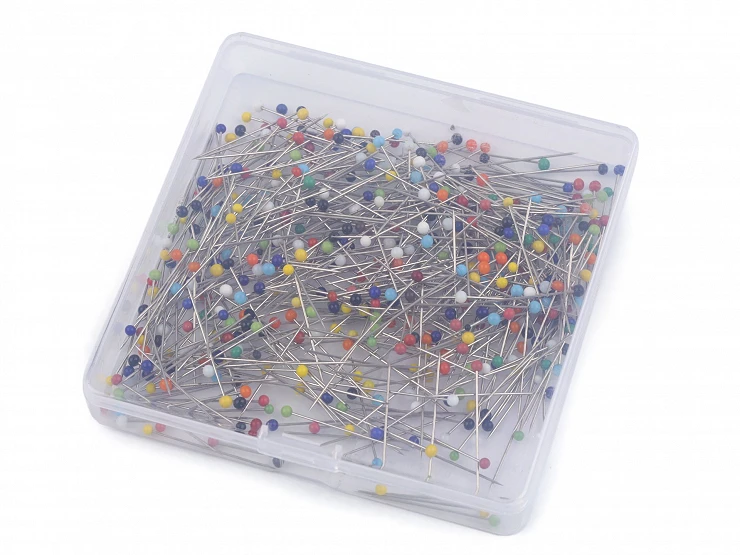
They are commonly used for:
Professional sewing. Dressmaking. Quilting.
5. Pen (ballpoint)
Ballpoint pens with slightly rounded tips for working with knit & stretch fabrics. They are made to go between the fibers of a fabric, not to cut them.
They are ideal for:
Jersey Fabric Knitwear Materials for Circular Needles Stretch Fabrics
Matter is a straight pin.
SS Pins
Stainless steel pins are durable, rust-resistant, and suitable for long-term use. They are a favorite among professional designers and tailors.
Nickel-Plated Steel Spindles
The pins are plated for a smoother finish and better corrosion resistance. Inexpensive and commonly available in a sewing kit.
Brass Pins Brass Pins
Sometimes in craftwork, brass pins are used for special reasons. They are softer than steel pins.
Uses for Straight Pins
And straight pins aren’t just for sewing. They have many practical uses across many fields.
Sewing and dressmaking
Pins are primarily used to hold pieces of fabric together prior to sewing. Tailors use them for garment construction, clothing fitting, and accurate alterations.
Patchwork
Quilting patterns are complex, and quilters use straight pins to hold the layers of fabric together while they sew.
Handicrafts and needlework
Straight pins are used by crafters to create handcrafted items, adorn projects, and secure fabric.
Making patterns
Fashion designers use pins to secure paper patterns to fabric while they are being cut out.
For Home & Office
And straight pins can be useful for quick fixes, organizing supplies, or holding small items together.
How to Pick the Best Straight Pins
The type of straight pin you use will depend on the project and the fabric.
Check out Fabric Type.
Fine pins are needed for thin, delicate fabrics; thicker, stronger, longer pins are needed for thicker fabrics.
I haven’t released any info. I have not given any information.
Silk fine pins –> Silk chiffon
Regular cotton sewing pins
Denim and wool > heavy-duty quilter’s pins
Check the length of the PIN.
Small pins are better for small projects, and long pins are better for thick layers of fabric.
Pick good materials.
Good pins should be smooth, pointy, and strong enough not to get bent. Cheap pins will have to be replaced quickly, or they can harm the fabric.
Safety Tips: Pin Straight
- Straight pins are simple to use but dangerous if you don’t know what you’re doing.
- Store your pins in a pin cushion or other container.
- Don’t leave pins on the tables or on the floor.
- Replace any rusty or bent pins.
- Do not allow children or pets to get into it.
- Pins set at right angles to the stitching line are easier to remove.
How to Store Straight Pins Correctly
- Keep straight pins well away so they stay sharp, and no one gets hurt.
- Common storage options include:
- Old-fashioned pin cushions
- Magnet pin holder /
- Sewing organizer—small storage box
- A magnet pin holder is very handy because it lets you gather loose pins quickly.
Straight Pins vs. Sewing Needles—What’s the Difference?
The straight pins and the sewing needles are alike, but they are used for different purposes.
Straight pins are used to hold pieces of fabric in place temporarily for sewing. Sewing needles are used to pass thread through fabric to create stitches.
“Pins are the workhorses. The needles finish the sewing process.
Reasons to Keep Straight Pins in Your Sewing Kit
Straight pins provide accuracy, convenience, and control for both beginners and seasoned professionals. They help you avoid mistakes, improve your fabric matching, and help make your sewing projects a breeze.
A good sewing kit will contain a variety of straight pins for different fabrics and creative needs.
Conclusion: Big Job, Small Tool
Straight pins are an essential but often overlooked part of sewing and crafting. They’re wonderful for security and are used for all sorts of things from basic repairs to high-tech fashion design.
Choosing the right type, fabric, and size will make your sewing projects more precise, quicker, and more enjoyable. Quality straight pins are a small investment that will give you great results when making clothing, quilting, or making handmade crafts.